











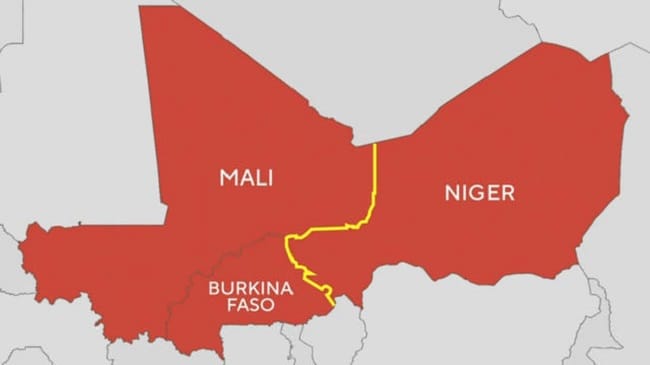

The government of Niger has officially withdrawn from the International Criminal Court (ICC), citing concerns over what it describes as selective justice. This move raises new questions about the court’s legitimacy and effectiveness.
Announced on June 23, this decision makes Niger the third country to exit the ICC, following Burundi and the Philippines. In its notification, Niger expressed that the ICC has not lived up to the expectations of countries that seek impartial justice and accountability.
“While the court had raised great hopes among peoples who cherish peace and justice, it has been misused and exploited,” the Nigerien government stated in its official communication.
This withdrawal signifies a notable policy shift for Niger’s military-led government, which assumed power after the 2023 change in government. Since then, authorities have increasingly focused on national sovereignty and have sought to distance the country from what they label as externally driven political frameworks.
Niger’s decision comes on the heels of earlier discussions among members of the Alliance of Sahel States, which indicated a potential collective exit from the court. Officials from Niger, along with those from neighboring Mali and Burkina Faso, have criticized the ICC, asserting that the court disproportionately targets African cases while neglecting crimes committed in other regions.
Supporters of Niger’s withdrawal cite the ICC’s case history as evidence of imbalance, noting that a significant majority of cases initiated by the ICC have involved African individuals and conflicts. This trend has fueled accusations of bias from various African leaders.
Critics have also raised concerns about the court’s universality, highlighting that several major global powers—including the United States, China, India, and Russia—are not parties to the Rome Statute, which established the ICC.
Moreover, the ICC has faced scrutiny over its implementation of arrest warrants and the compliance of member states in enforcing them. Recent reactions to the ICC’s actions regarding the conflict in Gaza have been cited as examples of perceived inconsistencies in international support for the court.
Additional controversy has arisen following allegations of misconduct against ICC Chief Prosecutor Karim Khan, intensifying discussions about governance and accountability within the institution.
Despite these challenges, the ICC has consistently defended its mandate, asserting that its investigations and prosecutions are based on legal criteria and evidence rather than political motivations. The court was established under the Rome Statute to prosecute individuals accused of genocide, war crimes, crimes against humanity, and the crime of aggression when national jurisdictions are unwilling or unable to act.
Niger’s withdrawal is likely to energize ongoing discussions across Africa regarding the future of international criminal justice and whether regional mechanisms should take a more prominent role in addressing serious crimes on the continent. As other Sahel countries contemplate similar actions, this development could further challenge the ICC’s influence and credibility in Africa, a region that has historically been central to its operations.
Source Africa News.